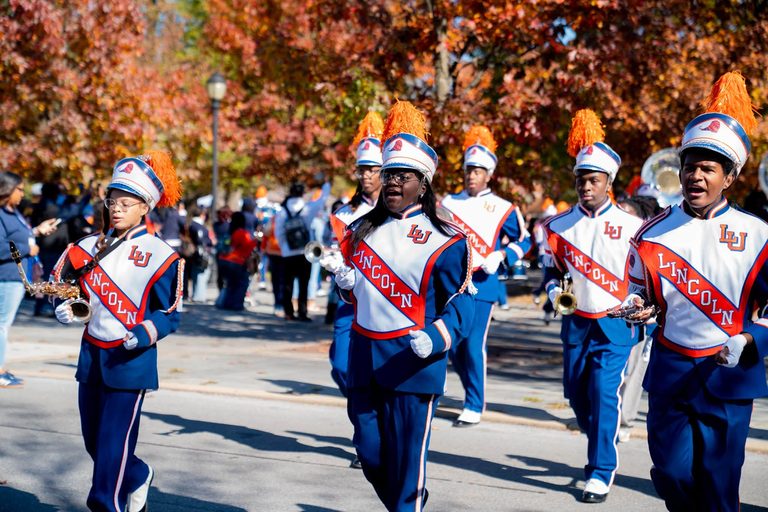

Attending a HBCU is an experience filled with opportunities, memories, friendships, and personal growth. However, behind the excitement of campus life, there are everyday challenges that many college students face. From working to pay tuition and maintaining good grades to participating in organizations, playing sports, and preparing for midterms and finals, college students carry responsibilities that can become very overwhelming. While students often focus on their academic and extracurricular success, one important factor that sometimes gets overlooked is mental health.
For many HBCU students, college is about more than earning a degree. It is also about representing their families, building their futures, creating connections, and making the most of their college experience. Some students balance full-time class schedules with part-time or full-time jobs just to afford tuition, books, food, and other living expenses. After working several hours, they still have assignments to complete, projects to finish, and tests and exams to study for. This constant cycle can create stress, exhaustion, anxiety, and burnout eventually.
Student-athletes face another level of responsibility. At HBCUs, athletes are not just representing themselves, they are representing their universities, teammates, coaches, families, and communities. They must balance practices, games, team meetings, traveling, workouts, and academic requirements. Even after spending hours on the court or field, they are expected to attend class, complete assignments, and prepare for academic assignments. The pressure to perform can become mentally exhausting, especially when athletes are dealing with injuries, losing games, limited playing time, personal problems, or expectations from coaches and supporters.
One important issue in college athletics is that people often recognize an athlete’s physical performance without understanding what they may be experiencing mentally. Fans see the points scored, touchdowns, rebounds, and victories, but they do not always see the stress, pressure, and sacrifices happening behind the scenes. Athletes can sometimes feel like they have to remain strong and hide their emotions because they do not want to appear as weak or disappoint their teammates. However, mental health is just as important as physical conditioning. An athlete cannot consistently perform at their best if they are mentally and emotionally drained.
Students involved in multiple organizations also experience similar pressure. Attending meetings, planning campus events, participating in community service, and fulfilling leadership responsibilities can make it difficult to find time for themselves to decompress. However, students should understand that they do not have to handle everything alone or constantly prove themselves to be successful. Sometimes, taking a break is necessary.
Universities can help by providing accessible counseling services, mental health awareness programs, stress-relief activities, and spaces where students can openly discuss their experiences. Coaches, professors, athletic departments, and advisors should encourage students to seek help without feeling embarrassed or judged.
Ultimately, college is supposed to prepare students for life beyond graduation, but students cannot fully enjoy their experience if they are mentally and emotionally exhausted. Getting good grades, graduating, becoming a successful athlete, and being involved on campus are all accomplishments worth celebrating. However, none of those accomplishments should come at the expense of personal well-being. Sometimes, the strongest thing a student can do is recognize when they need help. Protecting mental health, creating balance, and prioritizing personal well-being are essential parts of earning a degree and building a successful future.
(Lincoln University offers free mental health services to students. This includes counseling, group counseling, referral services, consultation and outreach, substance use screening, and crisis intervention. For more information, click on the following link, Counseling Services | Lincoln University)