Image courtesy of Dorothy Davis [Crystal Lockinour, Classic Concepts Photo and Film of St. Petersburg, Florida]
Written by: Ayanah Marks and Aneisha Benjamin
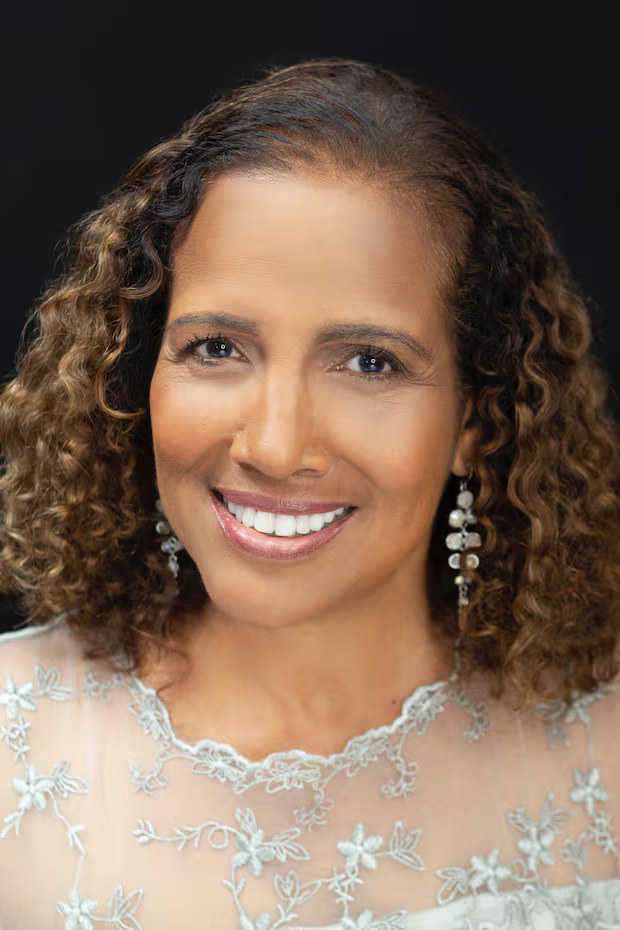
LINCOLN UNIVERSITY, PA-Dorothy Davis visited Lincoln University to speak about her father’s legacy as a journalist and photographer who documented Black life, African independence movements, and the Civil Rights Era. Through powerful photographs and personal letters, she showed how figures like Langston Hughes, Kwame Nkrumah, and Thurgood Marshall were not just historic names, but real people connected through friendship and struggle.
When one wonders about the vision behind such memorable and historic pieces, Davis says these photographs shared a common goal. “Respect for what they were doing,” she said. “Get their stories out that are correct, and to inspire other fearless leaders.”
Davis explained that she didn’t fully understand the impact of her father’s work until after his passing in 1993, when she began going through boxes of his photographs and letters. What she found was more than her family’s memories; it was history.
“There was a wide spectrum of subjects, and it felt like I was bumping into history,” she said in regard to the 55,000 images her father’s archive holds.
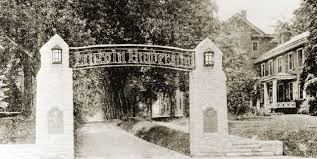
The exhibition, “Lincoln University Through the Lens of Griff Davis,” highlighted those discoveries, displaying photographs and other pieces of work, allowing students to visualize global freedom movements through a personal lens. And Lincoln University isn’t the only major institution displaying Griff Davis work.
When asked about her father’s widespread recognition, Davis responded with enthusiasm and content that her father’s creations are inspiring many students and staff. She says these photographs are like receipts, and his legacy is being used as a platform to talk about issues and challenges that’ll bring the past into the present.
Growing up overseas shaped Davis’s perspective and career goals as well, and she encourages students to think beyond limits and understand that history isn’t as distant as it feels.
“A lesson to take away is to keep your antenna up,” she said. “…to take courage from them and follow your heart.”
Her message was clear; the people we read about in textbooks were once young, figuring life out, and eventually turned into unforgettable figures in Black American history. Students should know that it doesn’t take a lot to make a difference in the world. Our education is just the start, but our voices and creativity push us forward.
Even a camera can capture moments in history.