
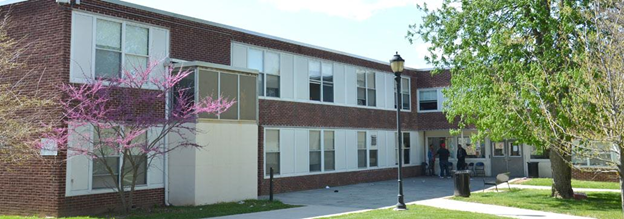
Image courtesy of Lincoln University
Written by: Frederick Perry
Lincoln University, PA—Like all colleges, Lincoln University of PA provides living accommodations for the students attending the school. Individuals who stay far away from campus, or those who can’t afford to rent a house or apartment, usually rely on the university dorms. With there being so many Lincoln students in this position, you would think that the school would make sure it’s safe to live in the dorms, ensuring they’re clean and comfortable.
Well, as of now, McRary Hall, one of the dorm buildings on campus, is not safe to live in.
Over the last few weeks, temperatures in the dorm have reached 99 degrees, an extremely dangerous temperature to be in for long periods of time, let alone sleep in. Typically, when indoor temperatures reach over 75 degrees, it is no longer safe or healthy to live in. Although there have been complaints about other dorms’ heating, McRary has exceeded its livable conditions for students.
The only time it is somewhat livable is when the wind is blowing, raining, or it’s under 40 degrees outside, but even then, it may still be hot if students don’t have a fan or two. Students who live in this dorm building have been sleeping in the lobby or in their cars with their windows or doors open, while those who can afford to do so are staying in hotels.
Lincoln University has failed to accommodate the students, increasing their risk of a lawsuit. With the temperatures getting so high in the building, students’ health can be impacted gravely, with an underlying risk of death occurring. Students and Community Advisors, CAs, are complaining to maintenance to turn the heat off, but they have not done anything as of yet.
Outside of these humid temperatures being a threat to students’ health, another issue is the effect on students’ energy for class, work, and practice. Sleeping in a hot room can cause heat strain, poor recovery, and sleep disruption.
Many students have paid well over $3,000 to stay in the dorms, and for it to be as hot is not fair to them at all. Those who live in McRary are either transfers or freshmen, so these living conditions are likely their first impression of Lincoln. An issue like this could cause Lincoln University to lose out on students attending the school, or even cause people to leave and go somewhere else.
Fewer students attending the school means less money and funding for the school overall.
But neglecting students’ health is a step too far for this university, and there’s only one lingering question—what will Lincoln do?