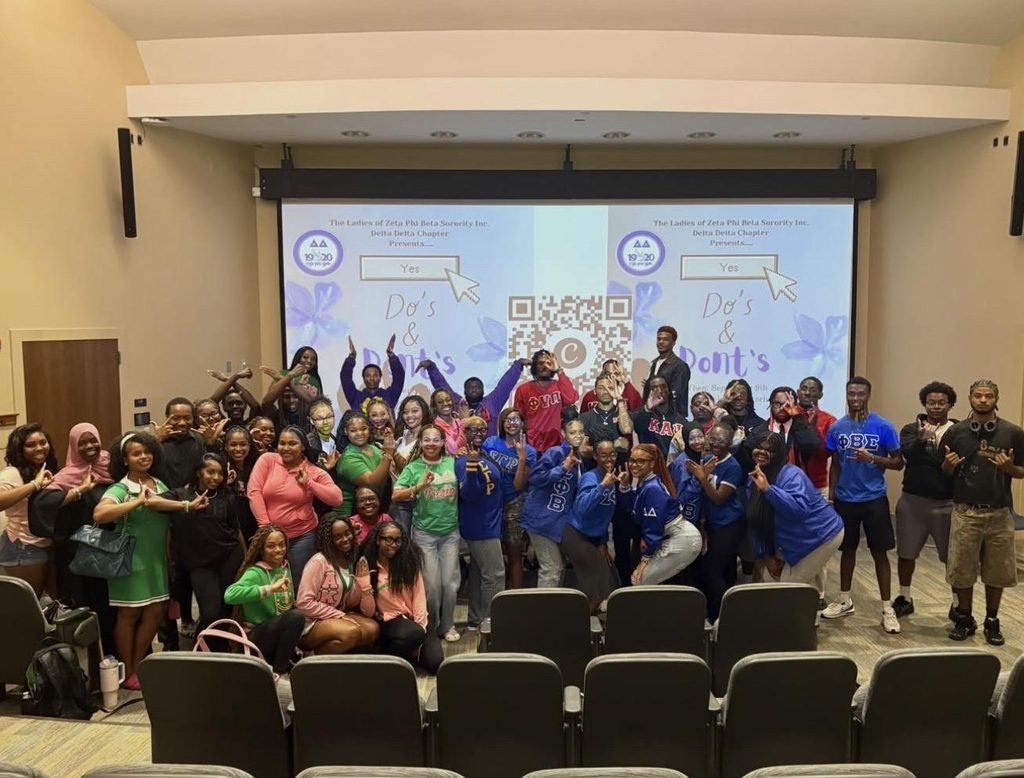
Greek life plays an important role in shaping college campuses across the United States, to be more specific, at Historically Black Colleges and Universities (HBCUs). For generations, fraternities and sororities have provided students with opportunities to develop leadership skills, build lifelong relationships, serve their communities, and connect with people who share similar values.
At Lincoln University in Pennsylvania, Greek life represents more than membership in an organization. It is a connection to history, brotherhood, sisterhood, service, and a legacy that continues to influence generations of students and alumni.
As Lincoln celebrates its 100-year Homecoming, the return of alumni presents an opportunity to reflect on the role Greek organizations have played in the university’s culture and the importance of preserving those traditions for the future.
The History of Greek Life
Black Greek-letter organizations emerged during a period when African Americans faced discrimination and exclusion from predominantly white institutions and their social organizations. These barriers led to the creation of organizations dedicated to Black students’ academic, social, and professional advancement. In 1906, Alpha Phi Alpha Fraternity, Inc. was founded at Cornell University, becoming the first intercollegiate Greek-letter fraternity established for African American men. Its founding helped create a path for other historically Black Greek-letter organizations that would become influential in education, civil rights, public service, and community leadership.
Over the following two decades, more fraternities and sororities were established, eventually forming what is known today as the National Pan-Hellenic Council, commonly known as the Divine Nine.
The Divine Nine and HBCU Culture
The Divine Nine consists of nine historically Black Greek-letter organizations founded between 1906 and 1963. Together, these organizations have helped shape Black collegiate experiences and have maintained a strong presence on HBCU campuses.
The organizations include:
• Alpha Phi Alpha Fraternity, Inc. (1906)
• Alpha Kappa Alpha Sorority, Inc. (1908)
• Kappa Alpha Psi Fraternity, Inc. (1911)
• Omega Psi Phi Fraternity, Inc. (1911)
• Delta Sigma Theta Sorority, Inc. (1913)
• Phi Beta Sigma Fraternity, Inc. (1914)
• Zeta Phi Beta Sorority, Inc. (1920)
• Sigma Gamma Rho Sorority, Inc. (1922)
• Iota Phi Theta Fraternity, Inc. (1963)
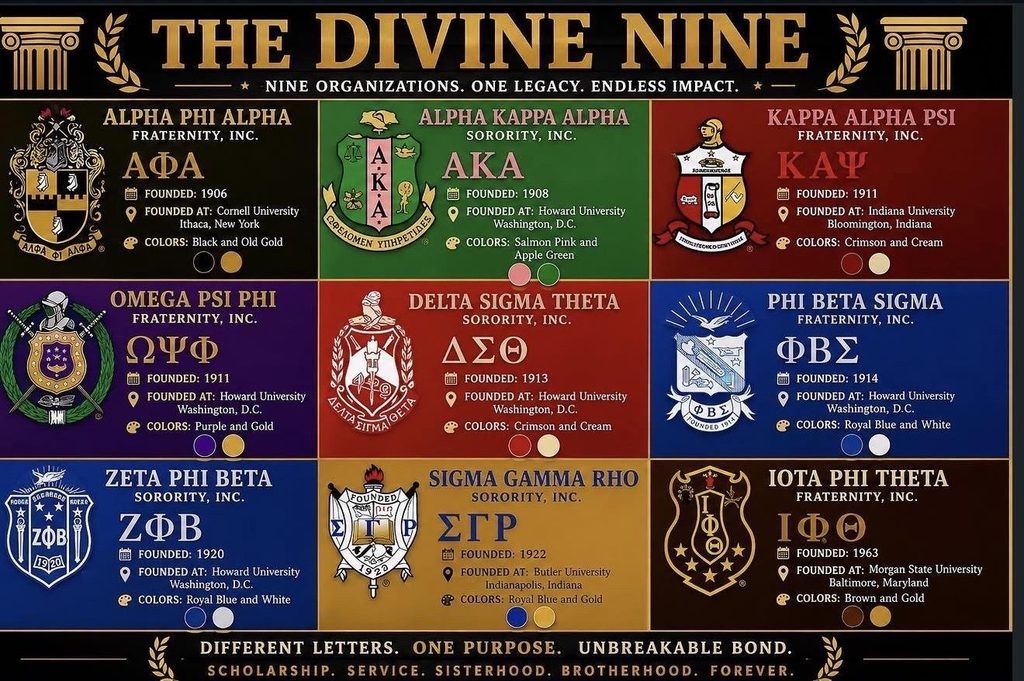
The Divine Nine has contributed to the advancement of African Americans through scholarship, community service, political engagement, professional development, and social action. Members of these organizations have become educators, entrepreneurs, elected officials, civil rights leaders, entertainers, and professionals across numerous industries.
At HBCUs, Greek life is often a common theme into the overall campus experience. Organizations participate in service initiatives, educational programs, campus celebrations, and activities that bring students together.
Alyssa Morgan, class of 2028 and member of Alpha Kappa Alpha Sorority Incorporated, said Greek life continues to have a positive impact.
“As a member of Alpha Kappa Alpha Sorority, Incorporated, I have personally seen how Greek life encourages students to become leaders, give back to their communities, and build lifelong connections,” Morgan said. “It is about representing something bigger than yourself, honoring those who came before you, and continuing a legacy of black excellence.”
The presence of these organizations can be seen in student leadership, mentorship, step shows, probate presentations, homecoming celebrations, and other traditions that help make each campus unique.
However, the importance of Greek life goes beyond its major campus events. Membership creates a responsibility to uphold organizational values, support fellow members, mentor younger students, and contribute positively to the surrounding community.
Karl Singleton III is a senior Mass Communications major and member of the Epsilon chapter of Kappa Alpha Psi Fraternity Incorporated. He said there are layers to the importance of Greek organizations.
“I feel like the Divine Nine is still important because it brings Black students together and gives them a sense of family and belonging,” Singleton III said. “It’s also about building connections, helping each other succeed, and giving back to the community. At the end of the day, it keeps our culture and traditions alive while helping the next generation grow.”
For many students, joining a Greek-letter organization creates a sense of belonging. It gives access to a network of individuals who can offer guidance, encouragement, and professional connections long after graduation. These relationships can become especially valuable as students transition from college into careers and other stages of adulthood.
The Divine Nine also represents a living connection to Black history. Its organizations have helped preserve traditions of collective action and community empowerment, demonstrating how working together can create opportunities for future generations.
Lincoln University: The Legacy
Lincoln University holds a distinctive place in Black educational history. Founded in 1854, it is the first degree-granting historically Black university in the United States. Its legacy is reflected in generations of graduates who have made contributions in education, politics, literature, civil rights, and other fields.
Within this, Greek life contributes to the traditions and relationships that define the Lincoln experience. Fraternities and sororities give students opportunities to establish connections that reach beyond the campus, while also encouraging leadership, service, and personal growth.
For students, campus life can become an opportunity to represent something larger than themselves. Their actions reflect not only their individual character but also their organizations, the university, and the generations of members who came before them.
That responsibility becomes especially meaningful during Homecoming. The celebration brings together current students, former students, graduates, families, and community, creating an environment where different generations can reconnect through shared experiences.
Greek organizations often contribute to that high vibrational atmosphere by hosting gatherings, reconnecting with chapter members, campus activities, and welcoming alumni back to familiar sights. Their colors, traditions, and organizational pride add another dimension to a celebration already built around school spirit.
For alumni who pledged at Lincoln, like 2025 graduate Zarria Hughes, a member of the Zeta Omega chapter of Delta Sigma Theta Sorority Incorporated, returning to campus is a different feeling.
“Returning to campus for homecoming is just one big trip down memory lane.” Hughes said. “I love being able to hang with all my peoples, Greek and non-Greek, and relive what it was like when I was on campus.”
For current students, seeing alumni return offers an opportunity to witness what their own university experience might mean years into the future.
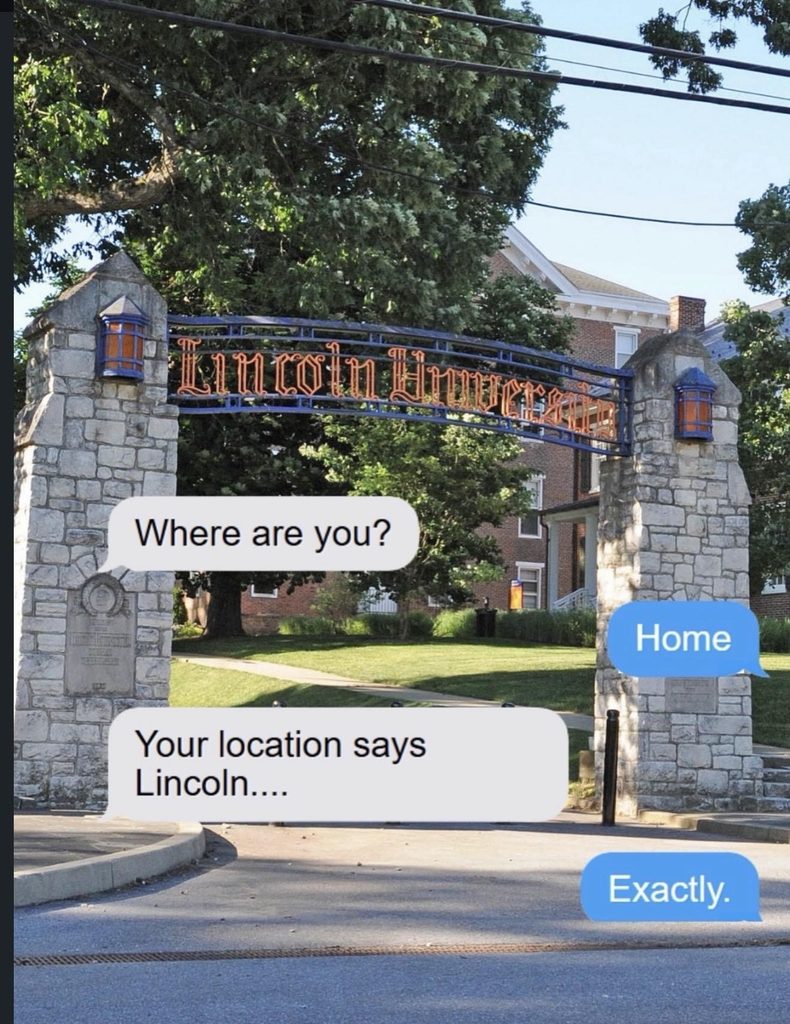
When alumni return to Lincoln, they bring their personal stories, professional accomplishments, traditions, and memories of the people who influenced them.
The return of Greek alumni creates meaningful opportunities. Current students can learn from graduates who have navigated the challenges of college, entered professional fields, built businesses, or continued serving their communities. Conversations that begin during Homecoming can continue into relationships that support students in the future.
These interactions prove the importance of alumni involvement. Graduates can support the university through mentorship, financial contributions, career guidance, networking, and participation in campus programs. Their continued engagement helps maintain the connection between the university’s past, present, and future.
In terms of Greek-letter organizations, alumni involvement also helps sustain chapter traditions and organizational values. Alumni can push younger members to take their responsibilities seriously, understand the history behind their letters, and recognize that membership requires more than wearing organizational colors or social events.
A Century of Homecoming Tradition
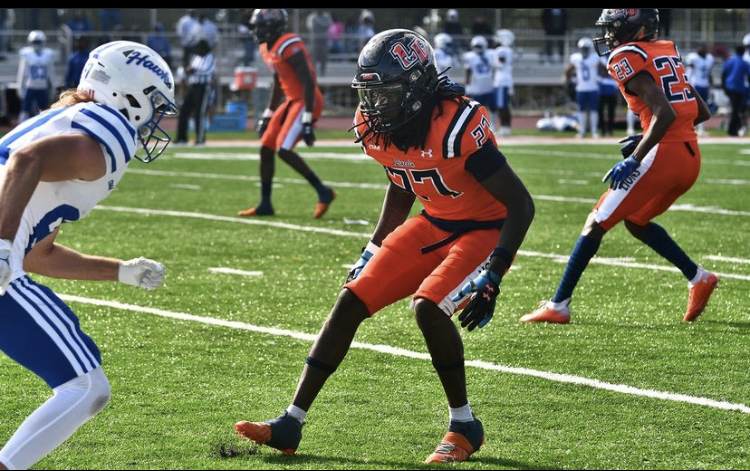
A century of Homecoming represents generations of students and alumni who have returned to celebrate their connection to the university.
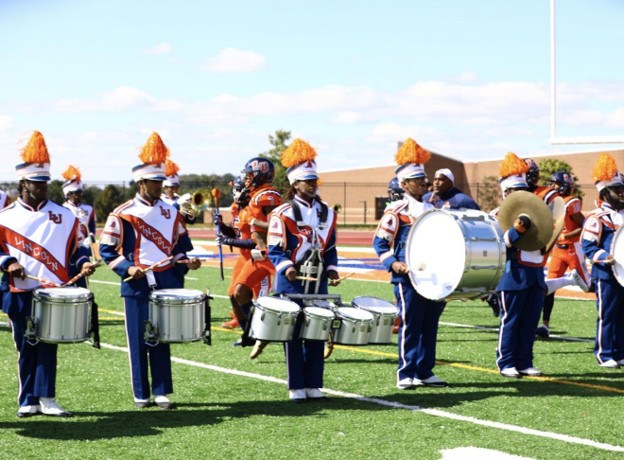
For HBCUs, Homecoming serves as a cultural reunion that combines school pride, music, athletics, fashion, fellowship, and community. It is a time when the campus becomes a meeting place for people whose experiences may span decades, but who share a common connection to the institution.
Homecoming may last only a few days, but its meaning extends far beyond the weekend. At Lincoln, the celebration of a century of Homecoming is ultimately a celebration of connection to the university, the Divine Nine, the HBCU experience, the generations who will continue the legacy long after the festivities end.