Black culture has become one of the most influential forces in American entertainment, fashion, music, and social media. From viral TikTok dances and popular slang to fashion trends and musical influences, elements of Black culture can be found throughout mainstream society. However, while these expressions continue to gain popularity, an important question remains: Are people recognizing the history and communities behind the culture they enjoy?
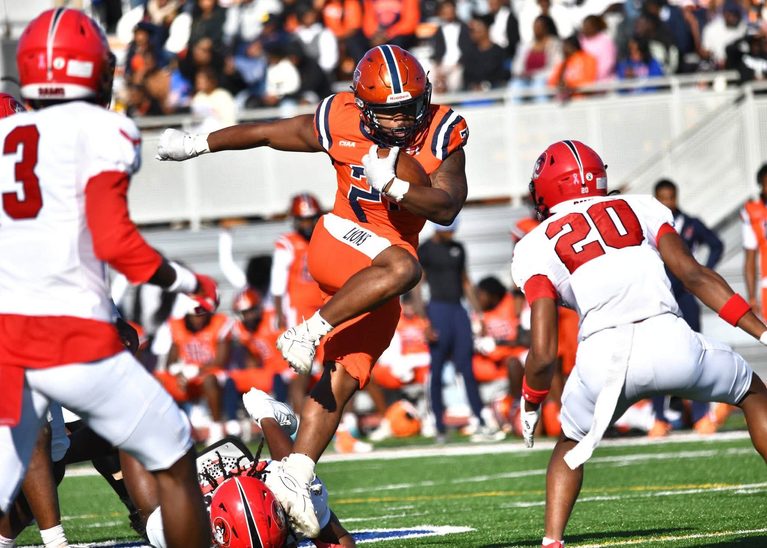
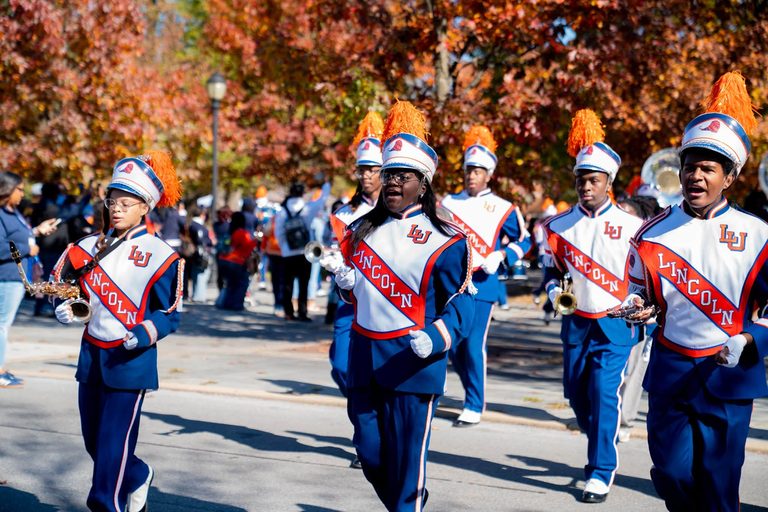
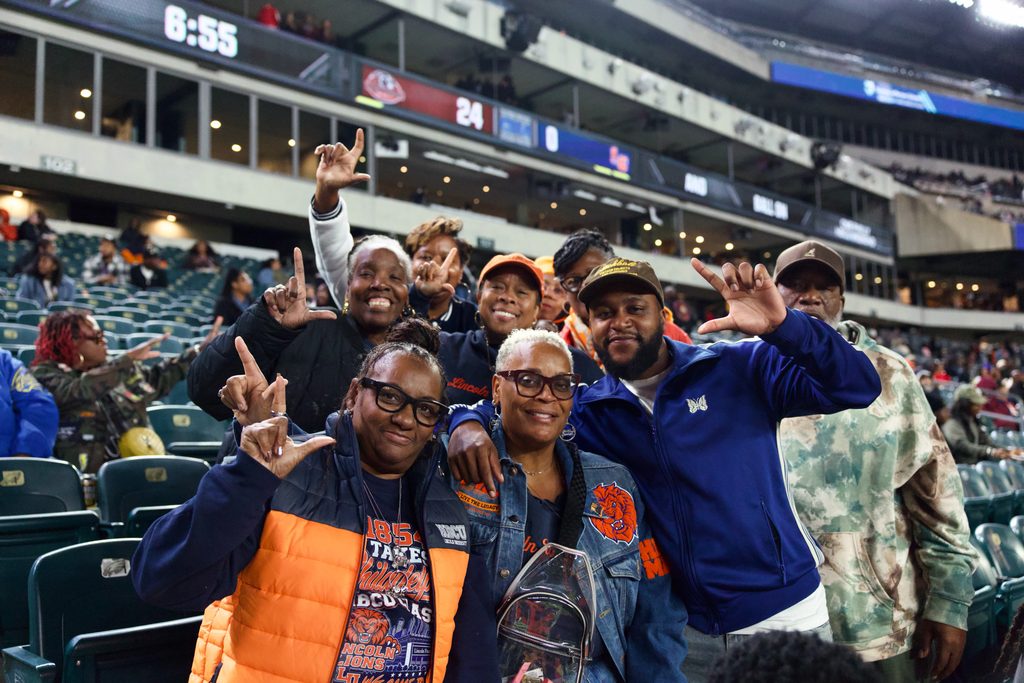
On Friday, I had the opportunity to attend the HBCU Classic football game between Lincoln University and Virginia Union University at Lincoln Financial Field in Philadelphia, followed by a Greek step show featuring undergraduate and alumni Greek organizations. While both events offered entertainment and school spirit, the step show gave me a different perspective on how Black traditions continue to influence culture beyond college campuses.
Watching the organizations compete reminded me that stepping is more than synchronized movements, stomping, and chanting. It is an art form with a history rooted in Black Greek-letter organizations. According to the National Endowment for the Arts, stepping originated in the early 1900s within African American fraternities and sororities as a way for members to express organizational pride and identity.
Over time, the art form expanded beyond college campuses and entered mainstream entertainment, appearing in films such as Drumline and Stomp the Yard. Stepping has even been showcased at major national events, including the 1992 presidential inauguration and the 1996 Olympic opening ceremony.
That history makes it important to recognize the people and organizations responsible for preserving these traditions. I had the pleasure of working and practicing with members of Lincoln University’s Kappa Alpha Psi chapter before watching them compete and ultimately win the step show. Seeing the preparation behind their performance made the experience more meaningful. What audiences may see as a few minutes of entertainment represents dedication, teamwork, brotherhood, and a tradition that has been passed down through generations.
The influence of Black culture is not limited to stepping. Music, dance, fashion, language, and entertainment have all helped shape American popular culture. Social media has made these influences even more visible, allowing trends that originate within Black communities to reach millions of people. However, visibility does not always translate into accurate representation.
A 2026 Nielsen report, titled The Black Influence: How Black Culture and Identity Drive the Market, revealed that 71% of Black consumers feel misrepresented in the media. The report also found that 67% pay more attention to advertisements that reflect their culture. These numbers highlight an important disconnect: Black culture has significant influence over what audiences consume, yet many Black consumers still feel that their identities are not being represented accurately.

The economic influence is just as significant. Nielsen reported that Black buying power is projected to exceed $2 trillion in 2026. This demonstrates that Black communities are not only contributing to cultural trends but also hold considerable influence in the American economy. Businesses recognize the value of connecting with Black audiences, but representation should extend beyond using cultural expressions to sell products or attract attention.
There is a difference between appreciating a culture and benefiting from it without acknowledging its origins. Enjoying a dance, wearing a particular style, or listening to a genre of music should not require someone to belong to a specific community. However, understanding where these expressions come from and recognizing the people who created and preserved them should be part of that appreciation.
Events like the HBCU Classic and Greek step shows remind us that Black culture is not simply something to consume. It is something communities actively create, protect, and pass down. HBCUs continue to provide spaces where these traditions can be celebrated and experienced firsthand.
As Black culture continues to influence the world, the conversation should move beyond what is trending and focus on who made those trends possible. It is not enough to love the culture when it is entertaining, fashionable, or profitable. We must also be willing to learn its history, acknowledge its influence, and give credit to the communities that keep it alive.
Everybody loves the culture, but knowing the history behind it is what makes appreciation meaningful.