From the outside, being an organization president can look easy. It’s a title, a seat at the table, and a name at the top of the e-board list. But behind that title are late nights, tough decisions, missed opportunities, and the responsibility of leading students who are also classmates and friends.
At Lincoln University, students serving on executive boards’ leadership means doing much more than what members see at meetings and events.
Nylah Page, president of the Reconstruction Step Team, said there is a lot of responsibility being a president.
“At the end of the day, everything falls on one person,” Page said.
After spending four years with Reconstruction, Page, R.K.A. “Europa,” said she became president because she saw areas where the organization could grow and already saw a direction for the team to take. While she knew the position would be challenging, the amount of time and money it requires has been one of the biggest adjustments.

Page said she sometimes finds herself working while others sleep, including brainstorming ideas for shows, chants, and steps.
That time and commitment can also mean giving up other opportunities. She said there were other organizations she wanted to be a part of, but leading Reconstruction was her biggest priority.
“Whatever is best for the org is the decision I have to make, whether we’re friends or not.” Page said.
For Naijah Devine, president of the We Are One modeling organization, W.K.A. “Exclusive,” the work can be difficult because members do not always see what happens behind the scenes.
“From the outside looking in, it does look all peaches and cream, and everything is just put together,” Devine said.
For Devine, leadership also requires a personal sacrifice. She wanted to be in the band, but this couldn’t happen because of scheduling conflicts.

Leadership also means handling conflict, something Devine says requires patience. When disagreements happen amongst the e-board, Devine and Page both listen to each person’s perspective before helping them find common ground.
“I’ve learned to have a lot of patience, like, overly a lot of patience,” Devine said.
While Page and Devine are responsible for guiding their individual organizations, Kamari Mclvor carries a responsibility that reaches beyond one group.
As president of the Student Government Association, Mclvor serves in a position that requires navigating concerns and experiences of the whole campus. At 21, Mclvor is also leading people the same age as him. These are people who may be friends, classmates, and members of the same campus community.
Mclvor said one of the hardest parts of the position is finding a balance between being a leader and maintaining those personal relationships.
“Being authoritative, but not overstepping, and being assertive without being aggressive,” Mclvor said.
Being SGA president means knowing when friendships have to take a back seat to responsibility. It also means making decisions without being able to explain everything happening behind them.
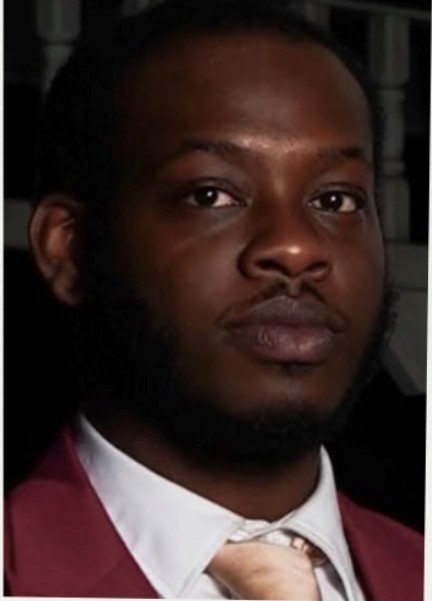
Students may see an issue, decision, or change on campus and expect an immediate answer. However, Mclvor said that SGA may be dealing with information that cannot always be shared publicly.
“Even though you think somebody doesn’t see it, we see it,” he said.
That unseen responsibility can make the position more complicated than students may realize.
While that level of responsibility can be overwhelming, Mclvor doesn’t view the position solely through what had to be given up.
“I think I gained more than I sacrificed,” he said.
Those gains include a better understanding of the kind of leader he wants to be. Mclvor described his leadership style as unconventional and emphasized the importance of being authentic.
“Paying attention to how you lead sets the table for how those you are leading lead,” he said.
For all three presidents, leadership has required more than managing an organization. It has meant managing time, relationships, expectations, and themselves.
Page has learned that asking for help does not make a president less of a leader. Devine learned patience through working with others. Mclvor learned that authenticity can shape the way an entire group responds to leadership.
He summed up the responsibility of being on the e-board with four words.
“Be prepared. Read. Advocate. And stay authentic.”