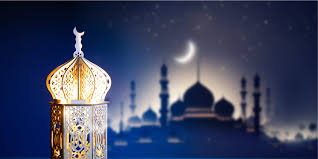
Image courtesy of American Halal Foundation
Written by: Karl Singleton
Lincoln University, PA—As someone who is not Muslim, Ramadan was never something I personally practiced, but I always respected it. Being around friends and members of the Muslim community gave me an idea and a deeper understanding of what this month truly represents.
Through my eyes, Ramadan is a time of fasting, where the Muslim community refrains from eating and drinking from sunrise to sunset. But what I have seen is much more than that. I have a classmate who is also an athlete, and seeing how Ramadan was affecting him was insightful. He was not able to eat or drink; however, he still found a way to persevere, which was amazing to me.
It takes a different type of strength to have to go through activities that require you to run, jump, etc., and still perform at the best of your ability. Ramadan is a period of spiritual growth, centered on your discipline and strengthening your relationship with God.
Another Ramadan practice that stood out to me most is the level of commitment the community holds. Going an entire day without food or water is not easy, especially while balancing school, work, and responsibilities you must handle every day. Yet, the people around me have carried it very well. Watching them go about their fast has taught me that it is not just a physical sacrifice, but a mental one as well.
Since Ramadan has already ended, learning how it helped my fellow Muslim friends shows a growth in their discipline and strength, alongside my overall understanding of the month-long holiday. They feel as though they have gotten closer to God and that they can now carry those lessons of discipline, faith, and self-control into their everyday lives.